


By the Water Gone Restoration team · IICRC-certified restoration, Orange County
November 19, 2026
By the Water Gone Restoration team · IICRC-certified restoration, Orange County
November 19, 2026

Direct insurance billing means the restoration company sends its bill to your insurance company instead of to you, so on a covered water damage claim your share is usually your deductible. It does not mean everything is paid for: costs your policy does not cover, such as the plumber's repair of the broken pipe, upgrades beyond what you had, or damage the insurer treats as wear, stay with you.
That gap between what people hear and what the policy pays is where most billing surprises come from. A homeowner hears that they only pay the deductible, then gets a separate bill from the plumber, or learns that the new flooring they picked costs more than the old flooring the claim pays for.
This guide walks through how direct billing works on a covered water damage claim, step by step: what you sign, what your insurer receives, when the deductible comes in, and the costs a policy often leaves with the homeowner.

Every insurer and every restoration company runs this a little differently, but a covered water damage claim with direct billing usually follows the same path:
Before any equipment comes off the truck, you will usually be asked to sign something. Read it, and ask what each form does before you put your name on it. Good questions are whether the form only allows the work to begin, whether it lets the company bill your insurer and talk to your adjuster, and whether it hands over any of your rights under the claim. A form that does that last part is often called an assignment of benefits. Keep a copy of everything you sign.
At Water Gone, the paperwork starts at the first visit. Before anything is removed, we photograph each affected area and take moisture readings, and we keep taking readings while the structure dries. Those records, along with an itemized loss report that lists what was damaged and what the work involved, are what your adjuster uses to review the claim. The goal is a file that rests on evidence, so there is little left to argue about.
You can add to that file yourself. Our 24-hour documentation checklist lists what to photograph and what to keep, and our first-24-hours claim playbook covers reporting the loss and working with the adjuster.
Your deductible is the amount of a covered loss you agreed to pay yourself when you bought the policy, and you will find it on your policy's declarations page. On a direct billing claim, the insurer usually pays the approved amount minus that deductible, so the restoration company collects the deductible from you to close the gap.
When it is collected varies from company to company. Some ask for it when work starts, some when the job is finished, and some when the insurer pays. Ask before work begins, and get the answer in writing.
When the loss is covered, we bill your insurance directly, and you pay your deductible, nothing more. In practice, that covers the restoration work the claim is for: getting the water out with truck-mounted extraction, drying the structure with commercial drying equipment, removing wet materials that cannot be saved, and the documentation behind all of it.
What it cannot do is stretch the policy. The promise applies to the covered loss, so anything your policy does not cover sits outside it. Knowing where that line usually falls, before the first fan goes in, is the best way to avoid a bill you did not expect.
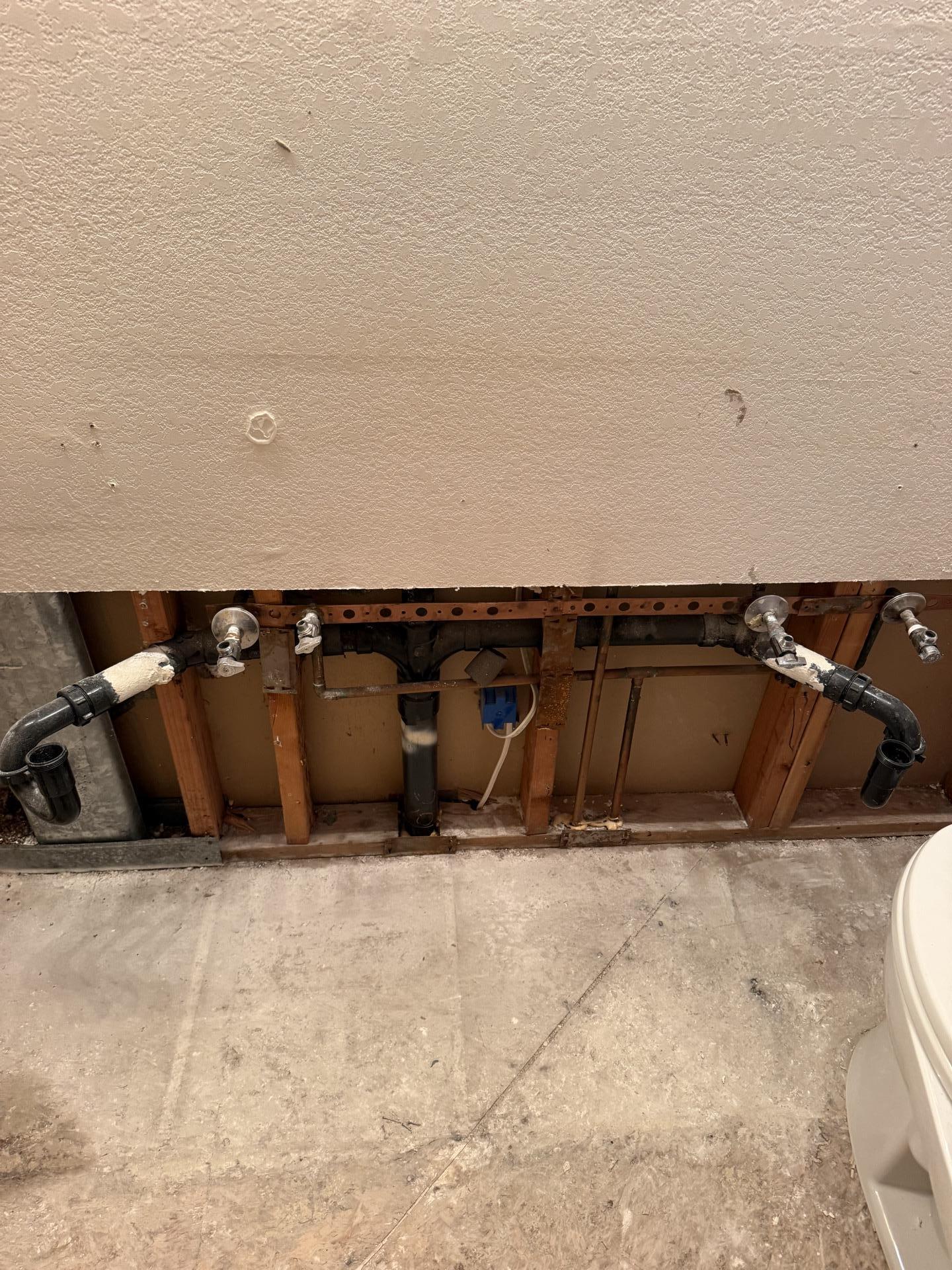
These are the costs homeowners are most often surprised to find are theirs, even on a covered claim:
Every policy reads differently, and only your agent or adjuster can tell you how yours applies to your loss. If you live in a condo or townhome, an association's master policy may also be involved; our guide to an upstairs leak in an Irvine condo explains how that split usually works.
A few questions on the first day prevent most billing surprises later.
These are worth asking your insurer or agent:
And these are worth asking the restoration company:
If your claim stalls or comes in low despite good records, our guide to public adjusters and restoration companies explains when outside help is worth its fee.
Water Gone Restoration is owner-led, so the owner personally handles the conversations with your adjuster and keeps your file in one place from the first call to the last reading. We answer 24/7, our certified professionals do the extraction, drying and documentation, and when the loss is covered we bill your insurer directly. Our insurance help page explains how we work with adjusters, and our water damage restoration page covers the full service.
Call Water Gone Restoration 24/7 at (949) 406-0287 for water damage and insurance billing questions anywhere in Orange County, from Anaheim and Santa Ana to Irvine and Newport Beach.
These are the questions Orange County homeowners ask most often about direct billing and their deductible.
That depends on your insurer, your claim history and the size of the claim, and only your agent can tell you for certain. Before you file, ask your agent whether a claim like yours would change your premium at renewal, whether reporting a loss counts even if nothing is paid, and how long a claim stays on your record. Then decide with the full picture.
That depends on the company and on your claim. Ask when your deductible is due, and whether any part of the work could be billed to you if the insurer does not approve it, before you sign anything. A clear answer on the first day is worth more than a surprise at the end.
The approved part is paid under the claim, minus your deductible, and the rest is not. Good documentation gives you the best footing to ask the insurer to look again, and your agent can explain how to request a review. You can also decide whether the unapproved work is worth doing at your own cost.
Not necessarily. Direct billing describes who the bill goes to. An assignment of benefits is a form that transfers some of your rights under the claim to the company doing the work. Ask whether anything you are signing does that, and read it before you agree.
In most cases, yes. Your insurer may suggest companies it works with, but the choice is usually yours. If you are unsure, ask your adjuster before work starts.
We answer 24/7. Give us your number and a short description of the damage, and an IICRC-certified technician will call you back to schedule a moisture assessment. If it is an emergency, calling is still the fastest route.

