 Call 24/7: (949) 406-0287
24/7 Flood Cleanup — Orange County, CA
Storm water in the house? Appliance failure flooding the kitchen? Water Gone Restoration is the flood cleanup team Orange County homeowners call when every minute matters — industrial water extraction, structural drying, and complete insurance documentation, 24/7.
Send this and we will call you straight back. If your property is flooding now, call (949) 406-0287, we answer 24/7.
.avif)

.avif)
.avif)
.avif)
We Work With All Major Insurance Carriers
Flood damage insurance claims are tricky in California. Exterior flooding is typically excluded from standard homeowners policies — but interior flooding from a burst pipe, failed appliance, or plumbing backup is usually covered. We identify and document the water source on arrival, and we work with all major California carriers, including State Farm, Allstate, Farmers, USAA, and Liberty Mutual.
Industrial Flood Extraction Equipment
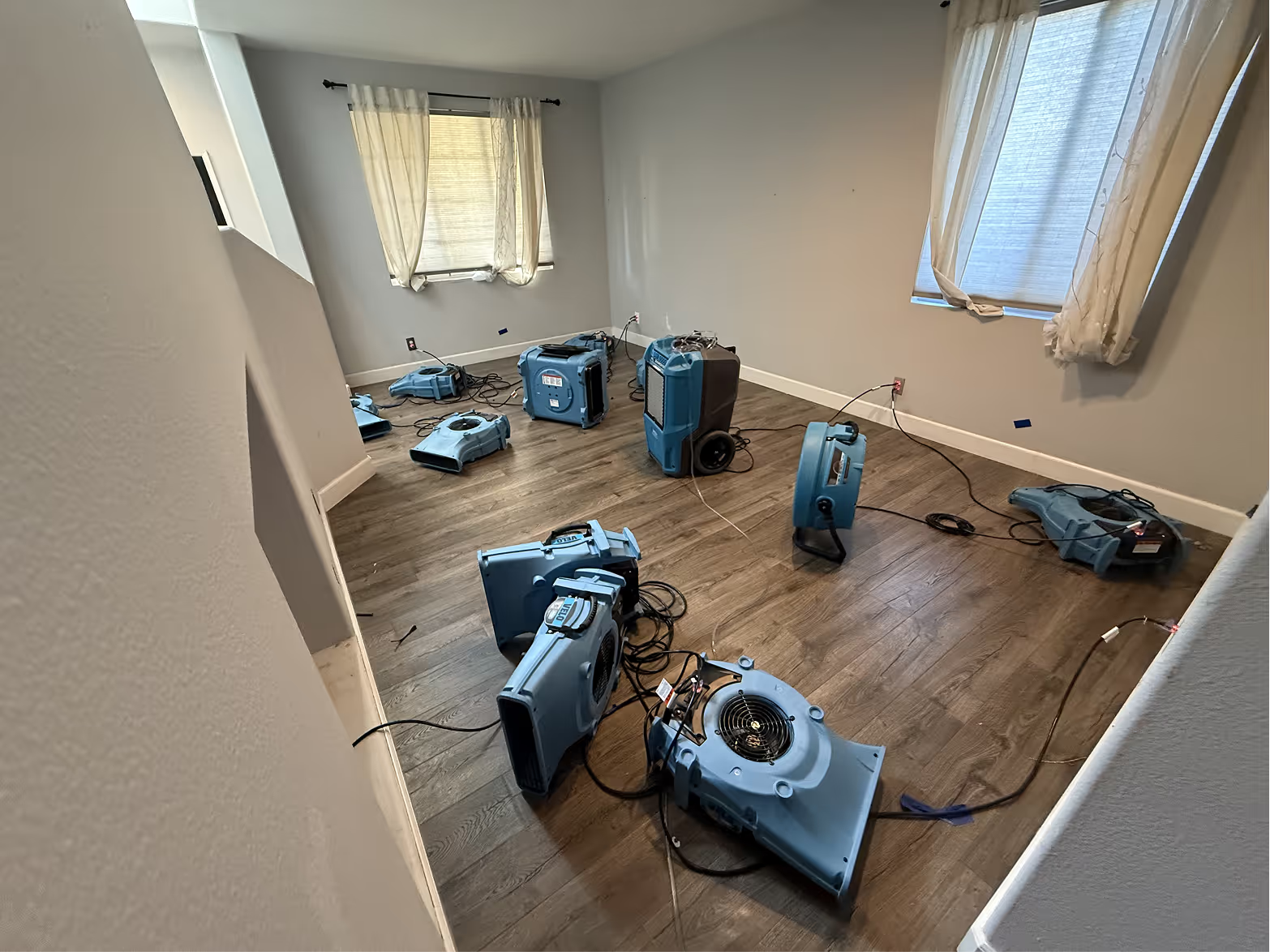
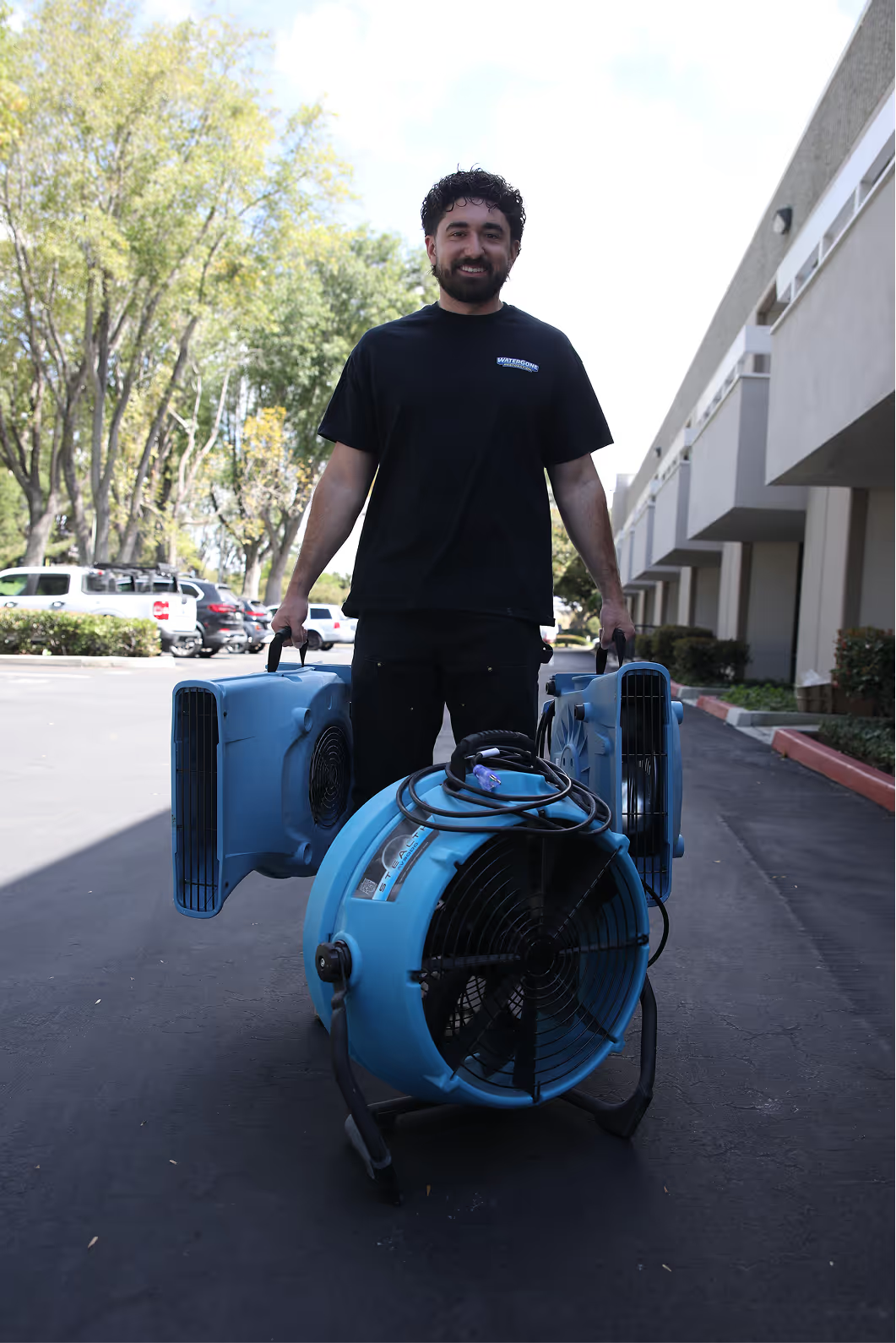
Our flood cleanup crews remove standing water with truck-mounted vacuum units, then deploy commercial-grade LGR dehumidifiers and high-velocity air movers tuned to your exact cubic footage.
Storm Season Flood Response
When atmospheric river storms hit Orange County, storm drains back up, hillside runoff finds garages and ground-floor entries, and roof leaks soak ceilings. Our crews extract flood water, dry the structure, and document the loss per IICRC S500 — and when a backup involves contaminated water, we're certified to handle it safely.
Our Flood Cleanup Process
Truck-mounted industrial pumps extract standing water in hours, not days. Our units discharge to the storm system as we work, so drying starts before extraction is finished.
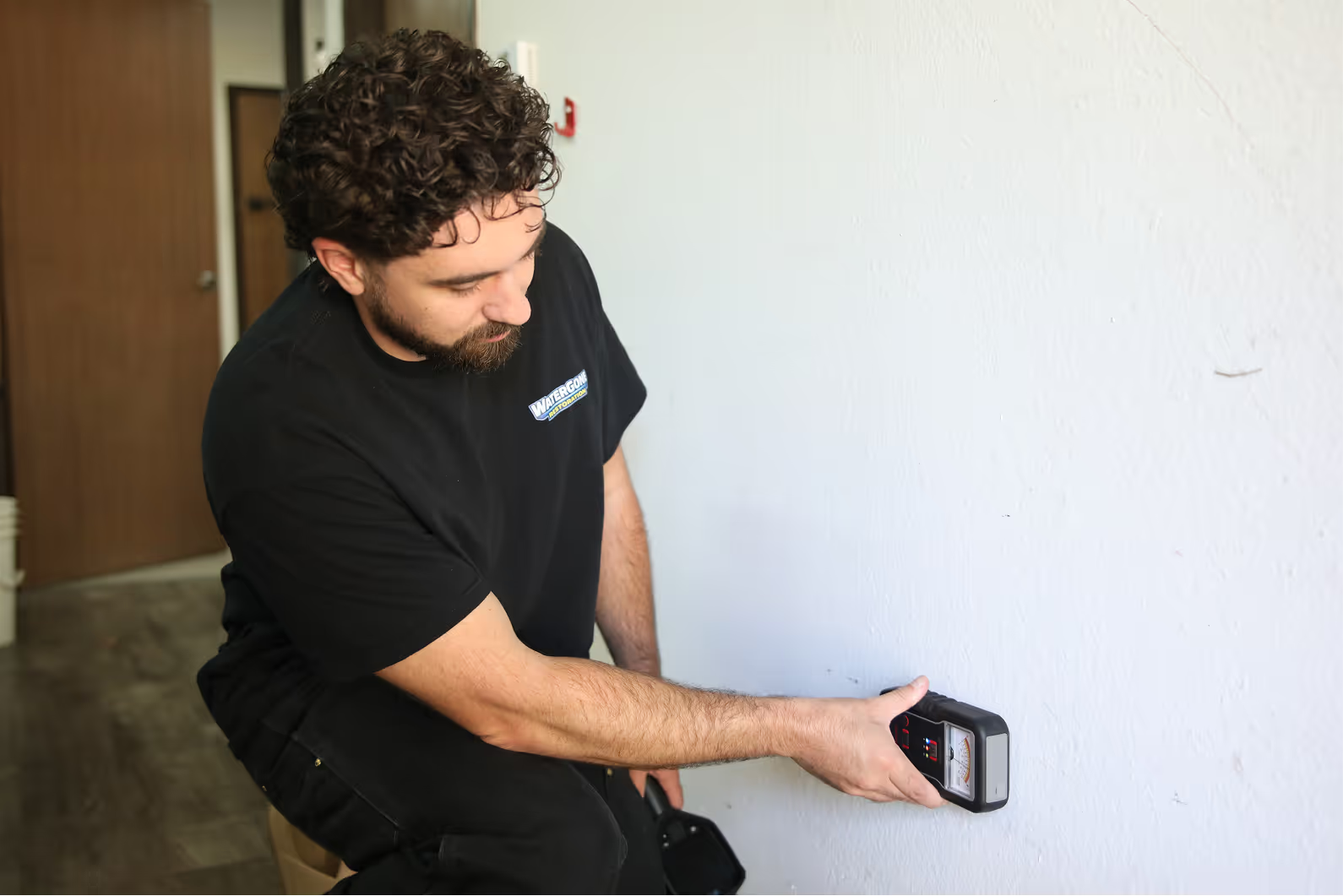
LGR commercial dehumidifiers and high-velocity air movers remove moisture from sub-floors, wall cavities, and behind built-ins. Thermal imaging finds every hidden pocket of water.
We document every detail your insurance needs to approve your flood claim — itemized scope of loss, timestamped photos, moisture readings logged daily, and direct communication with your adjuster.
Why Orange County Chooses Water Gone Restoration
Crews are dispatched 24/7 across Orange County — nights, weekends, and holidays — because flood water does its worst damage in the first hours.
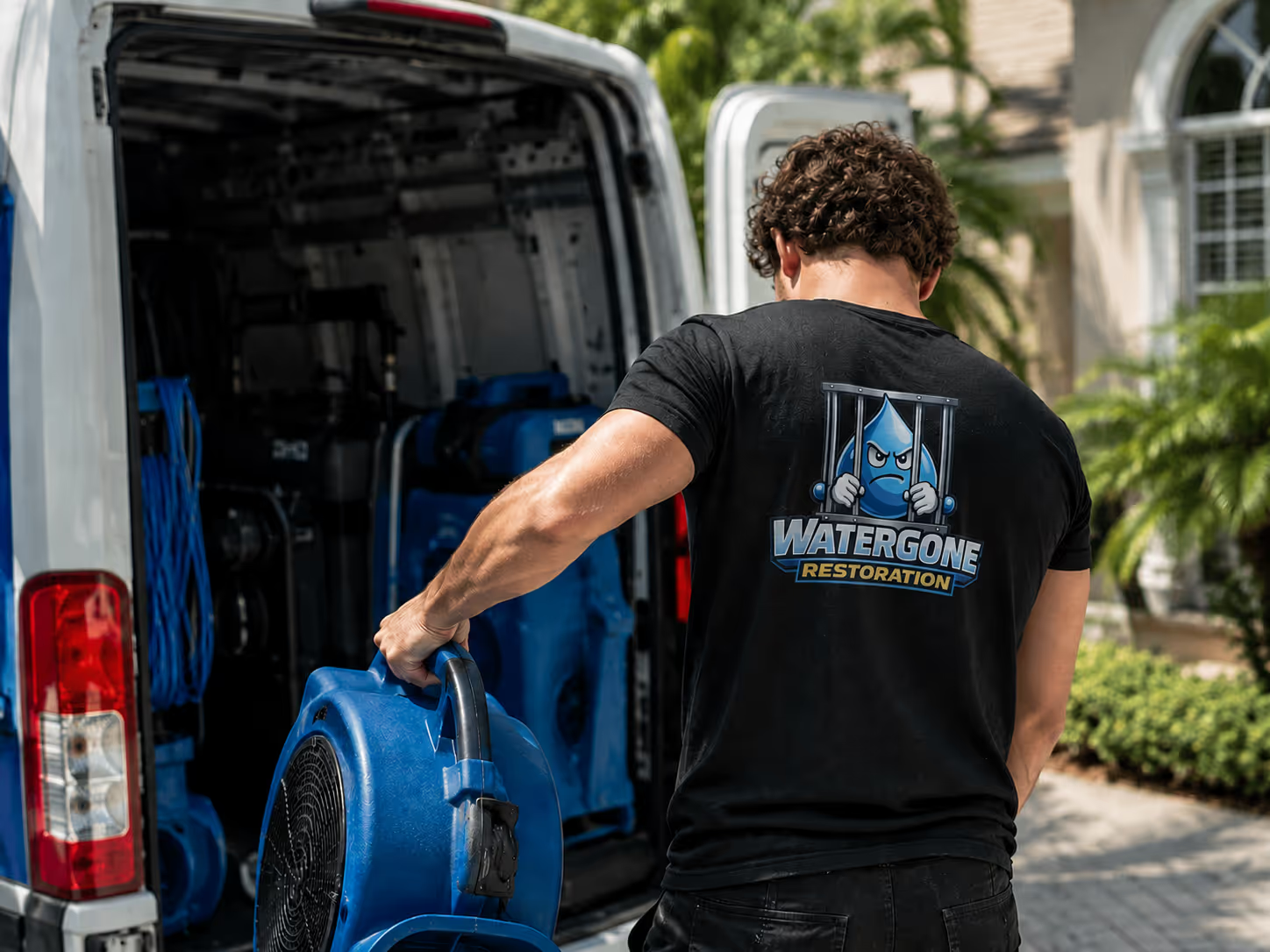
Truck-mounted vacuum extraction, LGR commercial dehumidifiers, high-velocity air movers, HEPA air scrubbers, and thermal imaging cameras. Owned, not rented.
Itemized scope of loss, timestamped photos, and daily moisture logs in the format major carriers expect — documentation that lets a covered claim move smoothly.
Thermal imaging and moisture meter readings included on every flood call at no additional cost.
Flood Insurance, Handled Right
Flood claims turn on two questions: where did the water come from, and how well is the loss documented? We answer both from the first site visit and work directly with your insurance carrier so you don't have to.
Step 01 — Documentation
We photograph and measure every affected surface, wall cavity, and room. Moisture readings are logged daily and drying progress is reported to your adjuster, with pre-loss condition documented from existing photos when available.
Step 02 — Assessment
We classify the water category per IICRC S500 on arrival — Category 1 (clean), Category 2 (gray), or Category 3 (black water) — and document the basis. Correct classification is the foundation of a successful flood claim.
Step 03 — Communication
We speak the language adjusters use, communicate findings clearly, answer questions professionally, and ensure nothing gets misunderstood or overlooked in your flood damage claim.
Know More
Flood damage in Orange County looks different than in other parts of the country. We don’t deal with hurricane storm surge but we have concentrated regional risks that drive steady call volume year-round:
Sump pump failures during atmospheric river events
Pacific moisture systems dump several inches of rain in 24–48 hours, overwhelming pumps that fail without warning.
Sewer line backups
Clay laterals from older OC homes back up under heavy rain and root intrusion, especially in pre-1980s Anaheim, Santa Ana, Fullerton, and Garden Grove.
Foundation cracks allowing groundwater intrusion
Common in homes built before 1985 across central Orange County.
Storm drain overflow
Flooding garages, basement access points, and ground-floor entries during heavy rain events.
Failed water heaters
Garage and utility-closet water heaters fail at year 10 and beyond — often overnight, with hundreds of gallons released before anyone notices.
Slab leaks
Pinhole leaks in copper supply lines running through concrete slab foundations, common throughout Orange County.
The IICRC S500 standard classifies flood water into three categories based on contamination level. Category determines what can be saved, what must be removed, and often what your insurance will approve. Misclassification can get your claim denied. We classify per S500 on arrival.
Category 1 — Clean Water
Originates from a sanitary source. Many materials can be dried in place if treated within 24–48 hours. After 48 hours, Category 1 deteriorates to Category 2.
Category 2 — Gray Water
Significant contamination from washing machines, dishwashers, or toilet overflow. Drywall and carpet padding typically must be removed.
Category 3 — Black Water
Grossly contaminated from sewage backups or flooding. All porous materials must be removed and disposed of as biohazard waste.
A wet/dry shop vac can move a few gallons. A basement flood involves hundreds or thousands of gallons. By the time you’ve rented enough equipment to make a dent, mold is already forming in the wall cavities you can’t see. Insurance carriers also frequently dispute DIY-attempted losses because there’s no IICRC documentation chain — making appeal almost impossible.
Winter (December – March)
Atmospheric river events bring concentrated rainfall that overwhelms aging storm drains and saturates hillsides. Homes in Yorba Linda, Anaheim Hills, and Saddleback Valley see elevated risk.
Spring (April – June)
Ground saturation from winter rains continues to migrate. Delayed-onset leaks where water that entered in February doesn’t become visible until April. This is also peak mold discovery season.
Summer (July – September)
Appliance failures peak. Washing machine supply lines, dishwasher hoses, ice maker lines, water heater tanks. Most common: a burst washing machine hose in a second-floor laundry room cascading through the ceiling below.
Fall (October – November)
Homes that skipped annual roof maintenance suddenly have leaks. Gutters clogged with summer debris back up and force water under shingles.
Complete Restoration Services for Orange County

Fast extraction, structural drying, and insurance claim support for all water damage emergencies.
Learn More →.webp)
Professional mold inspection and removal before mold spreads through your Orange County home.
Learn More →
Complete fire damage cleanup, smoke odor removal, and water damage from fire suppression.
Learn More →FAQ
.svg)
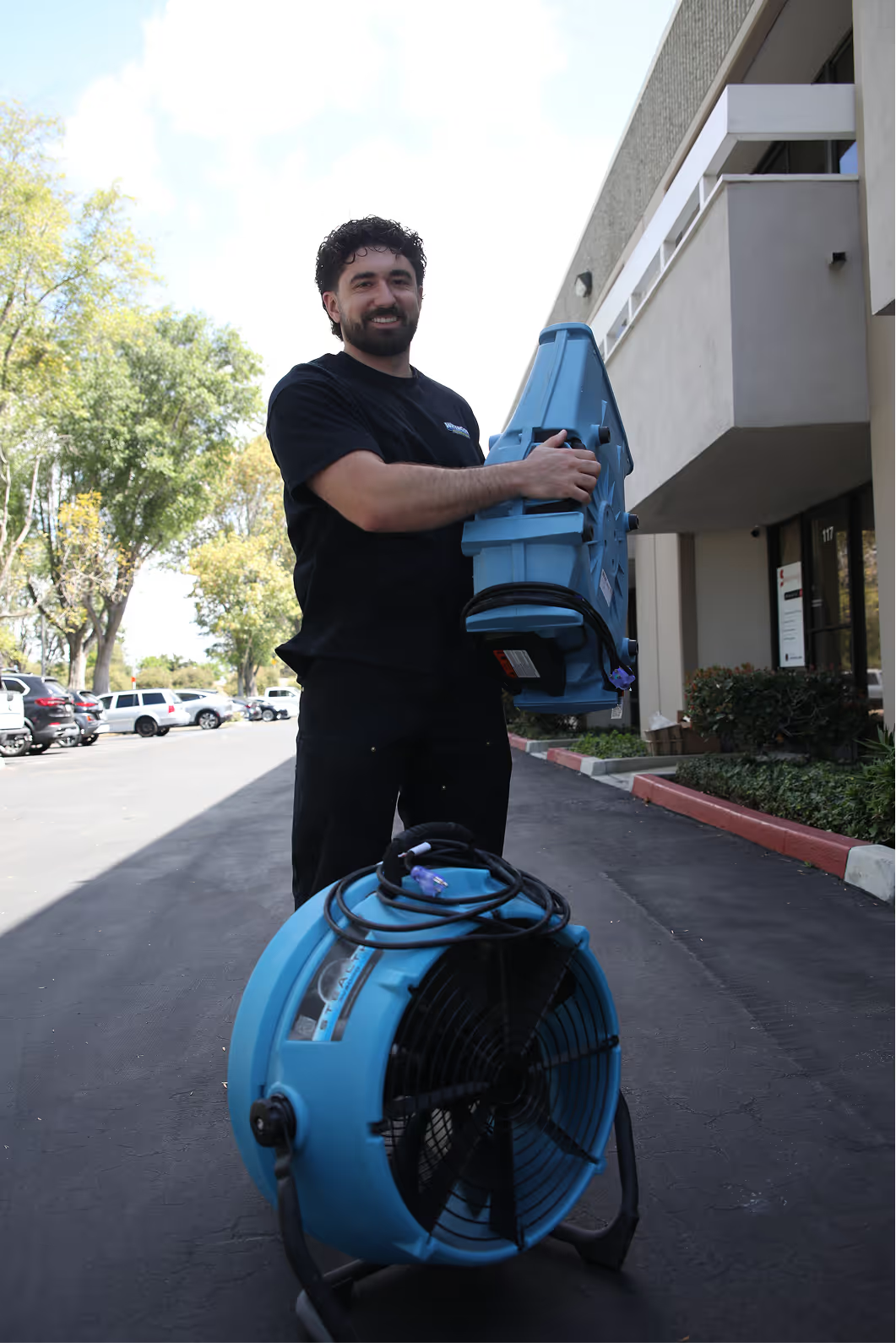
Truck-mounted extraction, commercial air movers, dehumidifiers, and moisture meters on every job. These are our own technicians and our own equipment, not stock photos.
.png)
